
Attic Insulation in North Idaho
Empire Insulation sprays closed-cell foam in attics and vaulted ceilings across North Idaho. It insulates and seals the gaps that let heat escape through the top of your house. The first choice is where the foam goes, the roof deck or the attic floor, and Nick Bond works that out with you before he quotes.
Keep the heat you pay for from escaping through your roof
Closed-cell foam insulates and air-seals the top of the house in one pass. Nick helps you choose roof deck or attic floor before he quotes.
Request your free estimate
Request an estimate online. Nick handles your estimate himself.
Company details
- Owner since April 2022Nick Bond, owner
- 5.0 on Google9 reviews
- Licensed & insuredLicensed in Idaho
- Ratio-monitored rigApplication reports on request
What we handle
Decide where the foam goes, then spray it
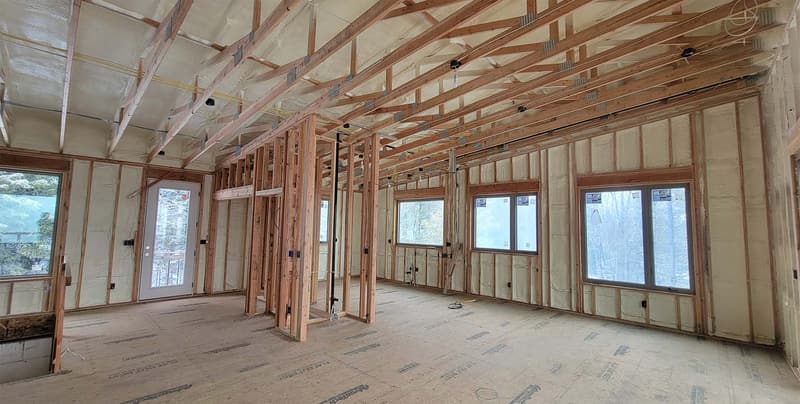
Warm air rises, and in a North Idaho winter the top of the house is where a lot of your heat gets out. It slips through gaps in the ceiling and carries that heat into the attic and the roof. Closed-cell foam insulates and seals those gaps in one pass, so more of the heat stays in the rooms where you live. Homeowners tell Nick how much easier the house is to keep heated afterward, and how even the temperature feels without cold, drafty walls.
The big decision is the boundary. Foam on the attic floor keeps the attic outside the heated space. Foam on the underside of the roof deck brings the attic inside it, which changes how the attic is ventilated and needs a moisture-control plan worked out first. Nick talks both options through with you before he quotes, so you pay for the approach that fits your house.
A house Empire worked on was about 5 years old and about 2,500 square feet, with electric bills around $1,000 a month. A blower-door test, which depressurizes the house to 50 pascals to find where air leaks in, measured 15 air changes per hour, mostly through the attic. The walls and crawl space were covered up, but the attic was accessible, so Empire sealed it. The retest came in at 5 air changes per hour.
Most attic calls start with upstairs rooms that never warm up or heat that seems to vanish. Here is what foam in the attic fixes, and what to plan for.
Heat escaping through the top of the house
Foam insulates and seals in one step, so a heated house holds its warmth longer. Results also depend on the rest of the building and your heating.
Drafts through ceiling gaps
Air leaking through the ceiling plane carries heat with it. Foam sprayed over those gaps seals them as it insulates.
Vaulted ceilings and rafter bays
With no attic to work in, foam goes between the rafters. Closed-cell gives more insulation per inch than open-cell, which matters in a shallow bay.
Heat feeding ice dams
Heat escaping into the roof is one cause of ice dams. Foam cuts that heat loss, but it will not fix a roof leak, so sort any leaks out first.
Before you finish an attic room
Spray while the framing is open. Once drywall goes up, access gets harder and the job gets bigger.
Not sure what you need? Request your free estimate
Photos from our jobs
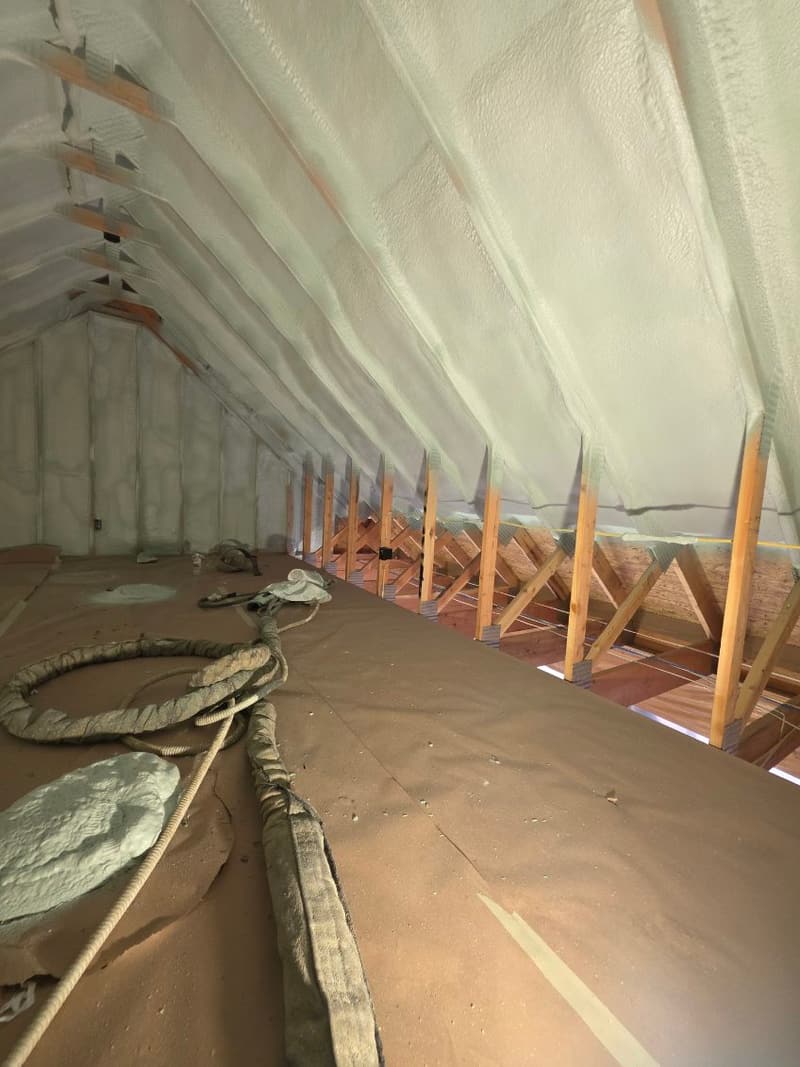
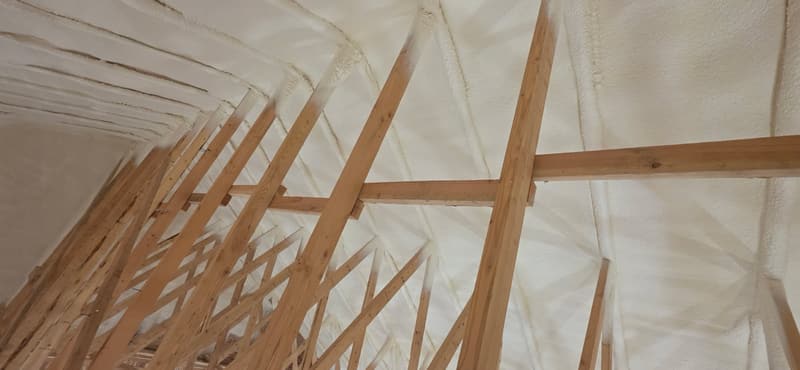
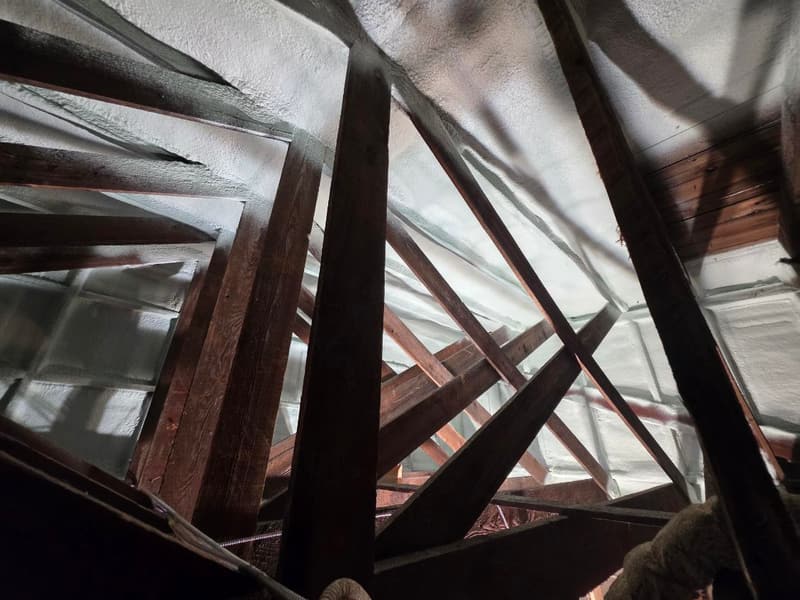
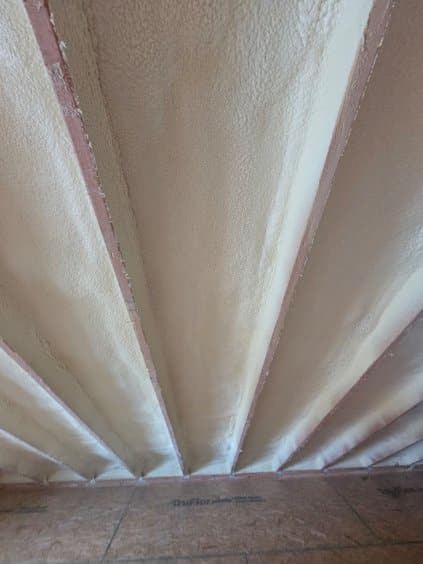
These are Empire's own jobs. Look at how the foam covers the underside of the roof deck above the trusses, runs from the peak down the slope and fills the bays between sloped rafters.
1 / 4
Want work like this? Request your free estimate
Customer reviews & pricing
-
I've utilized many insulation companies over the years and rarely write reviews, but Nick and his guys did an outstanding job and I would HIGHLY recommend them. Their price was excellent, the work was perfect, and they are extremely clean and organized.
Scott D. · Angi ·
-
Best job and best price
Doug G. · Angi ·
What affects the price
Every attic is quoted on its own, and estimates are free. Price follows the surface being sprayed, the boundary you choose and the access, so a steep roof can need more foam than the floor below suggests.
| Job | What affects the quote |
|---|---|
| Attic Insulation | Insulated boundary chosen, area and access |
- Surface area to be sprayed: A roof deck with steep pitch, dormers or gables has more surface than the floor below it. Roof-deck and attic-floor work are measured differently.
- Foam type and thickness: Empire installs 2-lb closed-cell and HFO closed-cell foam. Thickness comes from the product documentation and the assembly, and it changes material use.
- Roof deck or attic floor: The boundary you choose sets which surfaces get foam and what ventilation or moisture-control work goes with it.
- Access and exposed framing: Open rafters and clear joists are quicker to spray. Tight crawl-through spaces, ducts and obstructions add time.
- Existing insulation and preparation: Anything already in the attic that has to come out is a separate job to plan before spraying.
Your job, your price: Request your free estimate
Questions we get
Should I insulate the roof deck or the attic floor?
It depends on how you use the attic and what is up there. Attic-floor foam keeps the attic outside the heated space. Roof-deck foam brings it inside. Each is planned, sprayed and priced differently. Send photos of the framing and anything stored or installed up there, and Nick will talk you through which fits.
Can you remove my old attic insulation first?
No. Empire sprays foam, mainly closed-cell, and does not remove old insulation or do blown-in. If old material has to come out before the foam goes in, arrange that first and mention it when you call, so the estimate covers the right scope.
Does attic foam need to be covered?
It depends on how the attic is used. Spray foam is combustible, and codes generally call for an approved thermal barrier between foam and living space, while some attics allow an ignition barrier instead. The product, the space and local code decide it, so ask before work starts.
What happens on spray day?
Nick sprays the foam himself with one consistent crew member and stays on site start to finish. Your household and anyone else stay out of the work area during spraying, cleanup and the product's re-occupancy period. Ask Nick for the return instructions before you pick a date.
What should I send for an attic estimate?
Call, text or use the form with your town, the rough size of the attic and whether the rafters or joists are exposed. Photos of the attic help. Nick gives a rough number from that and a firm quote once he has seen it. Estimates are free, and veterans and service members get a discount that depends on the job.
Question not here? Request your free estimate
Attic Insulation across North Idaho
Pick your town for local details.
Keep this winter's heat inside your house
Call, text or use the form with a few details about your attic. Photos of the framing help. Nick quotes it himself, and the estimate is free.
What happens next
Request your free estimate
Request an estimate online. Nick handles your estimate himself.